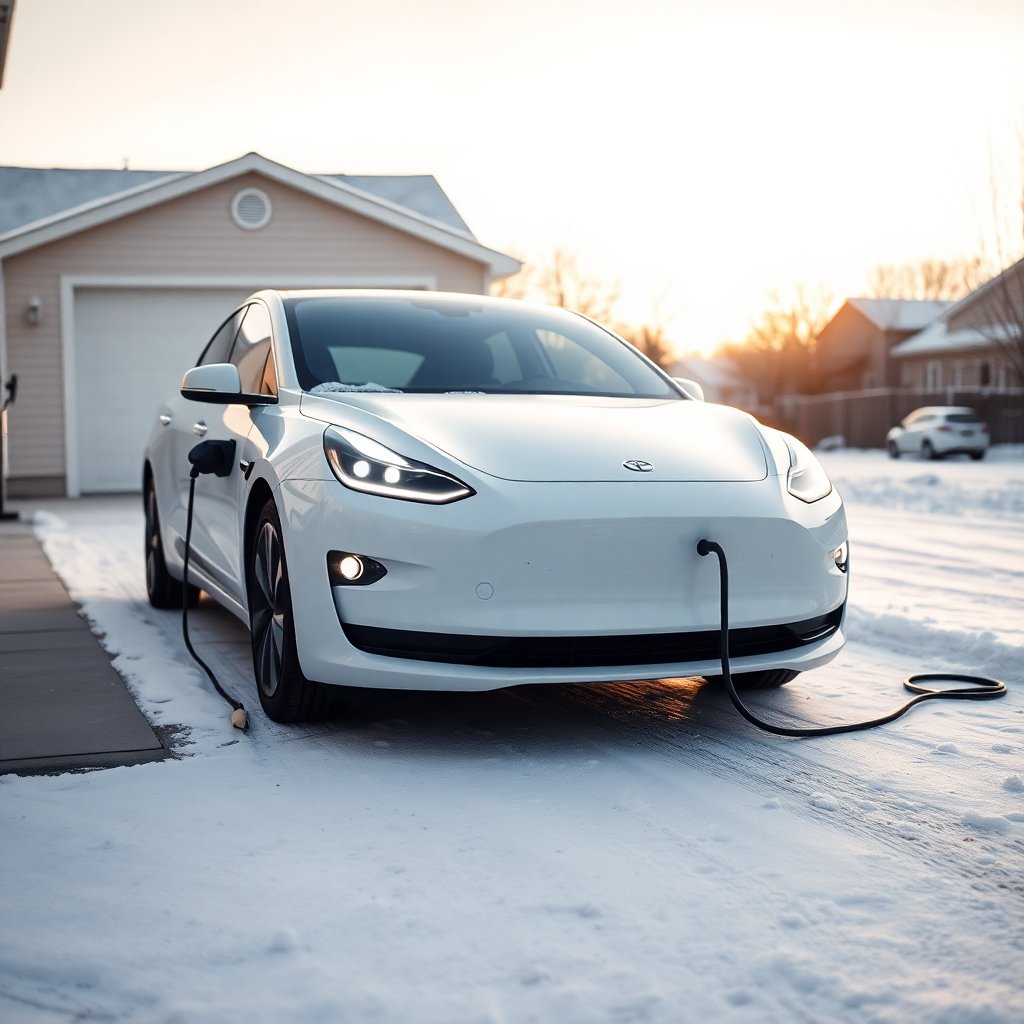
Every fall, Tesla owner forums fill with the same panic: the range number dropped and the car will not charge as fast as it did in July. Nothing is broken. Cold weather quietly taxes an electric car in three separate ways at once, and the first hard freeze is when it all shows up. The good news is that most of the loss is manageable once you understand where it goes, and a handful of cheap accessories plus a few habit changes claw back a surprising amount of it.
Late August is the right moment to sort this out, before the first frost forces the issue. Below is a plain-English breakdown of why a Tesla loses range in the cold, how the car's own preconditioning fights back, and the gear worth having in the trunk before temperatures drop.
Why Cold Weather Eats Your Range
Three things happen when the thermometer falls, and they stack.
The battery chemistry slows down. Lithium-ion cells are simply less efficient when cold. Ions move more slowly through a chilled electrolyte, so the pack cannot deliver or accept energy as readily. Until the battery warms up, both range and charging speed suffer.
The car spends energy heating itself. Before you drive a single mile, your Tesla is warming the cabin and, on cold days, the battery pack. Warming a cabin in freezing conditions can draw a continuous 2 to 4 kilowatts, and that energy comes straight out of your range.
Rolling resistance climbs. Cold tarmac and stiffer winter rubber both increase drag, and tire pressure drops roughly 1 psi for every 10 degrees Fahrenheit the temperature falls. Under-inflated tires waste energy and wear unevenly.
Put together, most owners see roughly a 20 percent range hit in freezing weather, with Model 3 and Model Y often landing closer to a 24 percent drop. In a deep cold snap around minus 4 Fahrenheit, with heavy heater use and lots of short trips, losses can reach 30 to 40 percent. For a data-backed breakdown of what counts as normal versus a genuine fault, Recharged's cold-weather range guide is a useful reference before you assume something is wrong with your pack.
Preconditioning: The Single Most Effective Habit
Preconditioning means warming the cabin and battery while the car is still plugged in, so the energy comes from the grid instead of your pack. Done right, it saves roughly 15 to 20 percent of the energy a cold start would otherwise burn, and you climb into a warm car with a defrosted windshield.
There are two versions worth using. Scheduled departure lets you tell the car what time you leave each morning; it warms up on shore power just before you unplug. Navigate to a Supercharger and the car preconditions the battery on the way there, so a warm pack accepts charge at near-summer speeds instead of crawling. Skipping that step is the most common reason owners complain about slow winter charging. The pack was simply too cold to take the power.
The habit costs nothing and asks for no hardware. It is the highest-return move on this entire list, so build it in before you spend a dollar on accessories.
Charging Habits That Change in Winter
Your summer routine needs a few tweaks once it gets cold.
Charge more often, in smaller bites. Instead of running the pack from full to nearly empty, think in the 20 to 80 percent range and top up more frequently. A warmer, mid-range battery is happier in the cold and holds usable range better on short trips.
Expect slower charging when the pack is cold. If you pull up to a Supercharger without preconditioning, do not be surprised when the kilowatts crawl. Navigate to the charger first so the car warms the battery en route.
Keep it plugged in overnight when you can. A plugged-in car can keep the battery in a healthy temperature window using grid power rather than draining itself. If you charge at home, our walkthrough on home charging setup covers getting a reliable circuit in place before winter makes garage trips miserable. And if winter has you running a dashcam hard on dark, salty roads, keeping Sentry footage flowing means feeding power to several accessories at once, which our Tesla USB hub and port expansion guide sorts out.
The Gear Worth Buying Before the First Freeze
Habits do the heavy lifting, but a few inexpensive accessories make winter ownership genuinely easier. Here is the short list, roughly in order of value.
A Tire Pressure Gauge and Portable Inflator
Since cold air drops your pressures, and under-inflated tires quietly bleed range and safety, a decent gauge is the cheapest win here. A compact digital gauge lets you check against the door-jamb spec in seconds, and a small rechargeable inflator means you top up in your own garage instead of hunting for a gas-station air pump on a freezing morning. Inflate to the recommendation on the door jamb, checked when the tires are cold for an accurate reading.
→ Shop portable tire inflator on Amazon
As an Amazon Associate we earn from qualifying purchases.
Winter Wiper Blades
Summer blades turn brittle and streaky once it gets cold, and standard frames pack with ice. Winter or all-season beam blades sized for your car (commonly a 26 inch driver and 20 inch passenger on Model Y) clear snow and slush better and resist freezing to the glass. Most snap onto Tesla's original wiper posts with no tools. Pair them with Tesla's built-in Wiper Service Mode, which raises the blades off the glass when ice is expected so they defrost with the windshield instead of tearing.
→ Shop Tesla winter wiper blades on Amazon
An Ice Scraper and De-Icer That Won't Scratch
Teslas have a lot of glass, and the frameless doors and large windshield freeze fast. A soft-edged scraper made for automotive glass, plus a bottle of alcohol-based de-icer spray, gets you moving without gouging the surface or waiting ten minutes for the defroster. Keep both in the frunk so they are never buried under whatever is in the trunk.
→ Shop car ice scraper and de-icer on Amazon
All-Weather Floor Liners
Winter means salt, slush, and wet boots tracked across the carpet, and road salt is genuinely corrosive over time. Laser-fit rubber floor liners with raised edges trap the mess and hose off in seconds. If you have not sorted this yet, our comparison of the best Tesla floor mats for 2026 breaks down full-coverage sets versus front-only and which actually contain a winter's worth of grime.
→ Shop all-weather Tesla floor liners on Amazon
A Magnetic Charge Port Cover
In freezing rain and sleet, the charge port can ice over, and a stuck flap is a genuinely annoying way to start a cold morning. A simple magnetic cover keeps slush and grit out of the port when the car is parked outside, and it pops off in a second when you need to plug in. It is a small thing that saves you scraping ice out of the connector with a cold thumb.
→ Shop Tesla charge port cover on Amazon
Smaller Moves That Add Up
A few no-cost tweaks round out the picture. Lean on the seat heaters and heated steering wheel rather than blasting cabin air; targeted heat sips energy while cabin heat gulps it, so setting the cabin a couple of degrees lower and letting the seat do the work stretches range noticeably. Park in a garage when you can, even an unheated one, since a few degrees of shelter reduces how hard the car works to warm the pack. And clear snow off the whole car, not just the windshield, because a roof full of snow is dead weight and extra drag.
If you are assembling a broader winter kit, our roundup of Tesla winter accessories covers the traction, comfort, and storage items that pair with everything here. Cold months also mean more time parked, so if you rely on Sentry Mode footage through the winter, our notes on Tesla dashcam encryption and the best USB drives are worth a look before the temperature drops.
What to Expect Once You Have Done It All
Set realistic expectations. Even with perfect habits and every accessory above, a Tesla will lose some range in genuine cold; that is physics, not a defect. What preconditioning and good charging habits do is shave that loss from the scary 35 to 40 percent range down toward the manageable 15 to 20 percent, and they take away the two things owners actually hate most, which are slow winter charging and climbing into a frozen car.
The whole checklist is cheap and quick. Set up scheduled departure and learn the navigate-to-charger trick, swap in winter blades, keep a gauge and inflator handy, add liners and a de-icer, and cap the charge port. Do it now, in the last warm weeks of the year, and the first hard freeze becomes a non-event instead of a forum post. Confirm any charging or accessory choice against your specific model and current software, since Tesla adjusts winter behavior through updates and your mileage will genuinely vary with climate.
As an Amazon Associate we earn from qualifying purchases. This article contains affiliate links; if you buy through them we may earn a small commission at no additional cost to you.