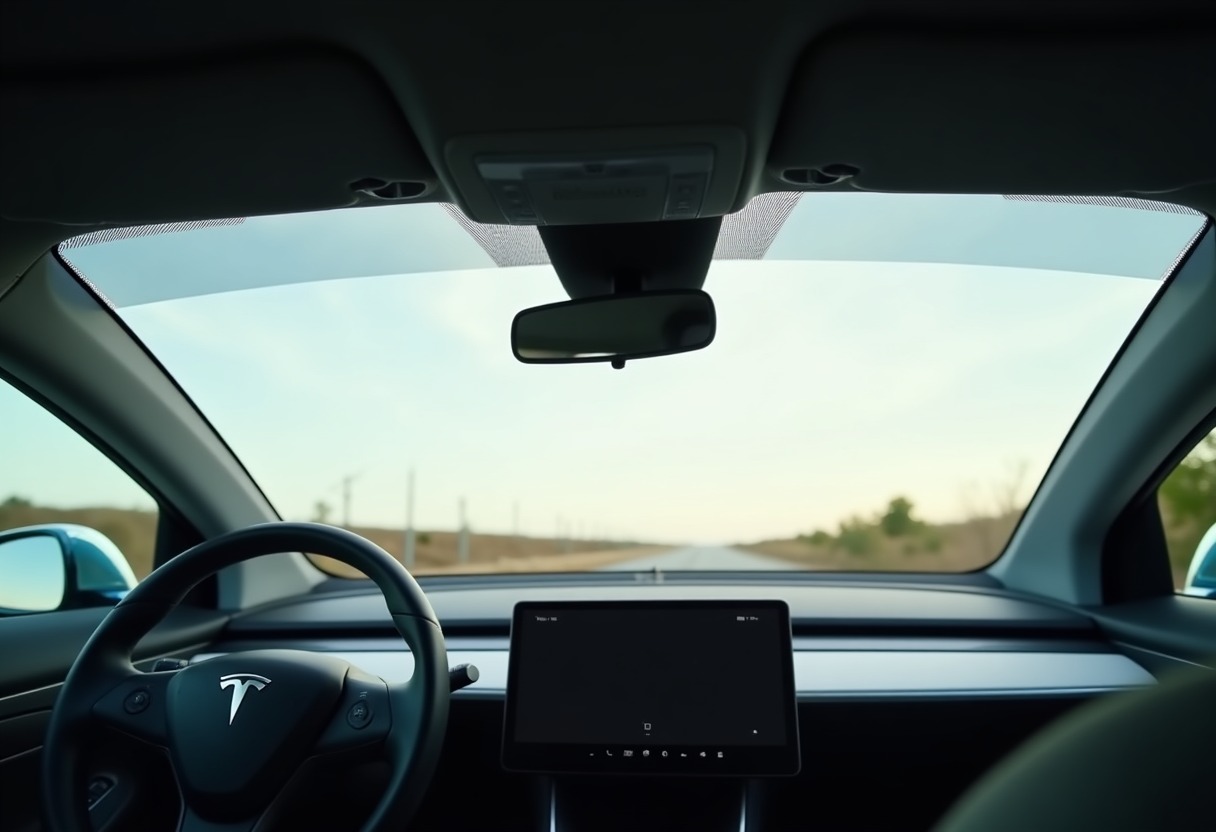
Tesla's expansive glass roofs create stunning cabin views but turn your car into a greenhouse on sunny days. Without proper UV protection, cabin temperatures can spike 15-20°F above outside air temperature, making your steering wheel too hot to touch and forcing the air conditioning to work overtime.
Why Tesla's Glass Creates a Heat Problem
Tesla's panoramic glass roof covers nearly the entire cabin ceiling on Model 3 and Model Y vehicles. While Tesla includes factory UV protection in the glass, Consumer Reports testing shows that visible light and infrared radiation still penetrate enough to create significant heat buildup. The large glass surface area acts like a magnifying lens, concentrating solar energy directly onto passengers and interior surfaces.
Factory tinting blocks roughly 99% of UV-A and UV-B radiation, but only reduces visible light transmission by about 20%. Heat comes primarily from near-infrared radiation, which passes through Tesla's standard glass treatment. This means your leather seats, dashboard, and especially the area directly under the glass roof can reach temperatures 30-40°F higher than ambient air temperature.
Professional Window Tinting vs Aftermarket Sunshades
Professional window tinting delivers superior heat rejection compared to removable sunshades, but each approach serves different needs and budgets.
Professional ceramic tinting typically costs $400-800 for a full Tesla and reduces heat transmission by 40-60%. High-end films like 3M Crystalline or Llumar CTX block up to 97% of infrared radiation while maintaining visibility. The installation is permanent, maintains your car's sleek appearance, and doesn't interfere with Tesla's glass roof controls.
Aftermarket sunshades cost $50-200 and offer flexibility. You can install them only when needed, remove them completely for night driving or winter months, and replace them if damaged. Quality varies dramatically between mesh sunshades that block 70% of solar energy and reflective panels that block up to 95%.
The main trade-off: professional tinting works 24/7 without any effort, while sunshades require manual installation and storage but give you complete control over when protection is active.
| Solution Type | Heat Reduction | Cost Range | Installation | Visibility Impact | |---------------|----------------|------------|--------------|------------------| | Ceramic Window Film | 40-60% | $400-800 | Professional | Minimal | | Crystalline Premium Film | 60-80% | $600-1200 | Professional | None | | Mesh Sunshades | 50-70% | $50-150 | DIY | Moderate | | Reflective Sunshades | 80-95% | $80-200 | DIY | Significant |
Best Sunshade Types for Tesla Owners
Mesh Sunshades work best for daily driving when you need visibility. The HeatShield Pro mesh design blocks 65-75% of solar heat while maintaining enough visibility to see the sky and surroundings. → Shop Tesla sunshade windshield on Amazon. These fold down to briefcase size and install with built-in clips or magnetic attachments.
Reflective Accordion Sunshades deliver maximum heat protection for parked cars. They block 90-95% of solar energy but completely obscure upward visibility. The reflective surface bounces heat away rather than absorbing it like mesh designs. These work particularly well for Tesla camping setups covered in our Best Tesla Camping Gear 2026 guide.
Custom-Fit Glass Roof Shades offer the best compromise between protection and convenience. Brands like TesShade and RoofShade design panels specifically for Model 3 and Model Y glass dimensions. → Shop Model 3 window shades on Amazon. They install without tools using magnetic strips or snap-fit designs that match your headliner color.
Side Window Shades protect passengers from direct sunlight streaming through side glass. These matter more than roof protection for passenger comfort, since side windows sit at eye level. → Shop UV protection sunshades on Amazon. Spring-loaded designs install in seconds and remove completely when not needed.
Windshield Sunshades prevent dashboard cracking and reduce cabin heat when parked. Tesla's windshield sits at an aggressive angle that catches intense morning and evening sun. → Shop Tesla glass roof shade on Amazon. Reflective windshield covers also protect your screen from UV damage, which matters for the large portrait display.
Professional Tinting: What Actually Works
High-quality ceramic films outperform any removable sunshade for daily heat reduction. 3M Crystalline 70% blocks 97% of infrared radiation while allowing 70% light transmission—nearly invisible but dramatically effective. The ceramic particles in quality films reject heat without interfering with GPS, cellular, or radio signals.
Avoid dyed films on Tesla's glass roof. The large surface area and direct sun exposure cause dyed films to bubble, purple, and peel within 2-3 years. Stick with ceramic or metallized films designed for automotive use. Metallized films can interfere with Tesla's cellular connectivity, so ceramic represents the best long-term choice.
Professional installation takes 2-4 hours and includes a warranty. Quality shops cure the film with heat guns and squeegee out every air bubble. DIY tinting rarely achieves professional results on Tesla's curved glass surfaces.
For maximum heat rejection, combine professional side window tinting with removable roof shades. This gives you permanent side protection with seasonal flexibility for overhead coverage. Many Tesla owners find that 50% side window tinting plus summer roof shades creates the perfect balance of protection and visibility.
→ Shop car window tinting film on Amazon if you're considering DIY installation, but professional application delivers better results on Tesla's complex glass shapes.
Installation Tips Most Guides Miss
Magnetic Attachment Points: Tesla's headliner contains metal reinforcement strips perfect for magnetic sunshade attachment. Map these points before buying sunshades by running a strong magnet along the headliner edges. Magnetic shades hold more securely than clip-on designs and won't damage your headliner.
Heat Cycling Considerations: Sunshades expand and contract with temperature changes. Install them slightly loose during hot weather to prevent buckling. Tight installations can warp the shade material or damage mounting points when temperatures exceed 100°F.
Storage Solutions: Accordion sunshades store behind rear seats without blocking cargo space. Mesh shades fold into door pockets or center console compartments covered in our Best Tesla Center Console Organizers 2026 guide. Plan storage before purchasing to ensure daily usability.
Cleaning Methods: UV exposure and temperature cycles break down cheap shade materials. Clean mesh shades with automotive upholstery cleaner every few months. Reflective shades wipe clean with glass cleaner but avoid ammonia-based products that can damage reflective coatings.
Winter Removal: Remove sunshades completely during winter months to maximize natural light and passive solar heating. Store them flat in a cool, dry location to prevent creasing and extend material life.
FAQ
Do Tesla sunshades affect Autopilot or other car functions? Quality sunshades don't interfere with any Tesla functions when properly installed. Avoid metallic materials near the rearview mirror housing, which contains cameras for Autopilot. Mesh and fabric sunshades have no impact on GPS, cellular connectivity, or over-the-air updates. Some cheap reflective shades use metallized materials that could theoretically interfere with cellular signal strength, but this rarely creates real-world problems.
How much heat reduction can I expect from different sunshade types? Mesh sunshades typically reduce cabin temperature by 8-12°F compared to no protection. Reflective accordion shades can reduce interior temperature by 15-20°F but block all visibility. Professional ceramic window tinting provides 10-15°F reduction while maintaining visibility and requiring no daily installation effort. Combining side window tinting with seasonal roof shades delivers the best overall heat protection—up to 25°F temperature reduction during peak summer conditions.
Can I use sunshades with Tesla's panoramic roof open? Most aftermarket sunshades must be removed before opening Tesla's glass roof panel. The sliding mechanism requires clear tracks along the headliner edges. Some custom-fit designs like TesShade include removable front sections that allow partial roof opening, but full opening requires complete sunshade removal. Check compatibility with your specific sunshade design before purchasing if you frequently use the roof opening feature.
Will sunshades damage Tesla's headliner or glass? Quality sunshades designed for Tesla won't damage properly installed headliners. Avoid products with sharp clips or adhesive strips that could tear fabric. Magnetic attachment systems work best for Tesla's metal headliner framework. Cheap sunshades with poor-quality materials can leave residue or cause discoloration over time, especially when exposed to high temperatures. Stick with automotive-grade materials designed for UV exposure and temperature cycling.
How do I choose between professional tinting and removable sunshades? Choose professional tinting if you prioritize convenience and consistent protection. Ceramic films work 24/7 without installation effort and maintain your Tesla's appearance. Choose removable sunshades if you want seasonal flexibility, lower upfront cost, or maximum heat rejection when parked. Many Tesla owners use both: professional side window tinting for daily driving comfort plus removable roof shades for summer parking and camping situations.
The right UV protection transforms your Tesla from a greenhouse into a comfortable daily driver while protecting your investment from sun damage.
Some links on this page are affiliate links. We may earn a small commission if you purchase through them, at no extra cost to you.
As an Amazon Associate we earn from qualifying purchases. This article contains affiliate links; if you buy through them we may earn a small commission at no additional cost to you.